BeWild Dartmouth
What if the most powerful place to help wildlife wasn’t somewhere far away... but right on you doorstep?
Across our town a wilder community is quietly growing. Gardens, balconies and shared spaces are becoming havens for our wildlife, creating space for the natural world we live and work alongside to thrive. BeWild Dartmouth is celebrating the actions of people across the town and inspiring others to join the movement.
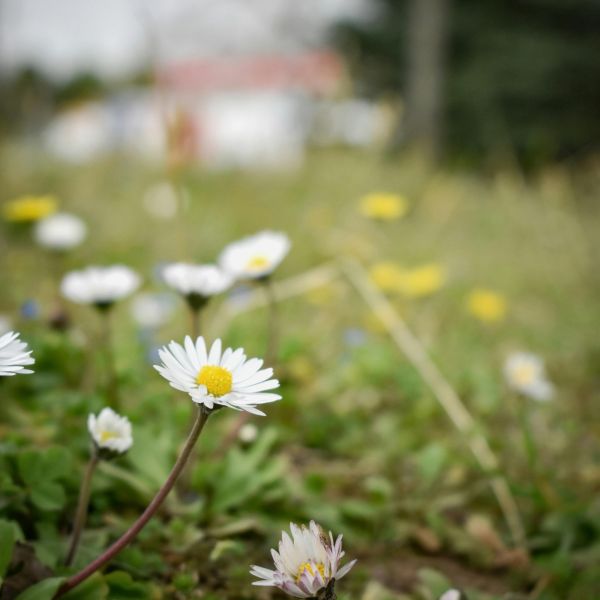
A Town Coming Together for Wildlife
Across our town, people are already doing brilliant things for the natural world - letting the grass grow long, planting wildflowers, digging ponds, creating wildlife habitats, or simply noticing nature and starting to care.
The RHS State of Gardens Report 2025 reveals that our gardens support around half of all UK birds, mammals, butterflies, reptiles and amphibians. And the combined area of UK gardens is more than three times the size of our National Nature Reserves. Your garden matters!
Below you’ll find ideas, inspiration, and practical guidance to help you make more space for nature, whatever your space or starting point.
A Network of Tiny Havens
Imagine if every garden, balcony, doorstep, or wall made just a little more space for wildlife. Individually, these might seem like small gestures but together they become a living network, a patchwork of habitats connecting across the whole town and beyond. A place where pollinators can move, birds can feed, hedgehogs can roam, and people feel more connected to the natural world around them.
Nature doesn’t just exist “out there” in reserves or remote landscapes. It lives here between our houses, along our streets, in our gardens and church walls. And you are part of that.
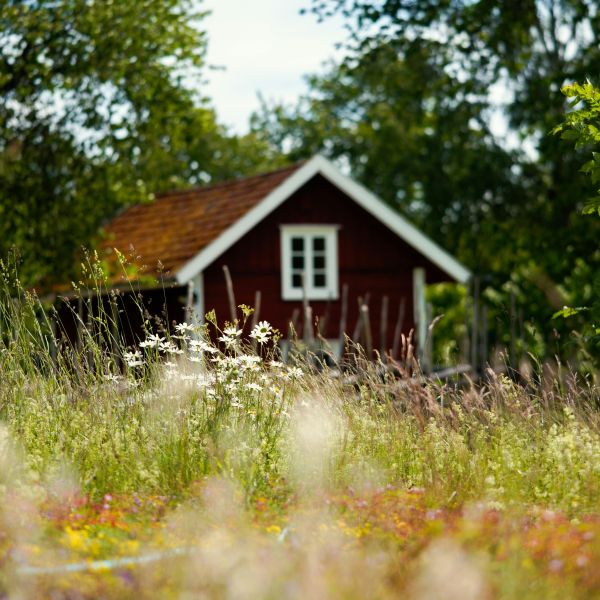

Sharing the love
We’d love to hear what you’re doing and share your story to inspire others. Get in touch to tell us how you’re helping nature in your street. Follow us to see what we’re up to and where you can join us next.
One simple way to be part of the movement is to display a BeWild sign in your garden or a sticker in your car. It’s a small act that can spark conversations, inspire neighbours, and grow the network even further. Let us know if you would like one.
What you can do...
Let the Grass Grow
When Claire’s neighbours suggested she stop mowing her lawn, she wasn’t sure. She liked things tidy, and letting it grow felt unfamiliar. Still, she gave it a go, keeping a neat path around the edges leaving the middle to soften and sway.
Wildflowers began to return amongst the grasses. Seeds that had been hidden in the soil found their chance.
Alongside the butterflies, Claire noticed the gentle chirring of grasshoppers, bringing life and energy to her garden all summer long. These insects support birds, bats and other wildlife so now she sees her lawn differently. A simple change has turned her garden into something rich, thriving and full of life.
Longer grass provides food and shelter to invertebrates like moths, hoverflies and spiders. Eggs laid in spring need time to hatch so leave until August if you can.
Find out how to cut your long grass here.


Provide Food for Pollinators
Sue’s borders are a joy to behold on a summer’s day. Lavender, verbena and foxgloves spill over one another, alive with the slow drift of butterflies and the steady hum of bees. From early spring blossom to late autumn colour, something is always in flower in Sue’s garden.
She has chosen plants that together provide a continuous source of nectar. Different shapes matter too. Deep flowers for long-tongued butterflies, open ones for bees and hoverflies, who quietly take care of aphids. She gardens without chemicals, allowing a natural balance to settle and hold.
The result is a garden that feels full, not just of colour, but of life, where each plant plays its part in supporting the whole.
Find out more about which plants are good for pollinators here.
Make a Pond
When Emma moved into her small, town garden, she didn’t think she had space for water. But by lifting just a few paving stones and sinking a simple washing-up bowl into the ground, she created a tiny pond. Planted around with herbs and moisture-loving plants, it quickly became a focal point — not just for Emma, but for wildlife too.
Before long, insects arrived, and then frogs, who now help keep the snails in check. Even the smallest water source can be transformative, all wildlife needs water and offering a place to drink, breed and cool down is vital. It’s one of the most powerful ways to boost biodiversity in your garden and beyond.
Find out more about wildlife ponds here.

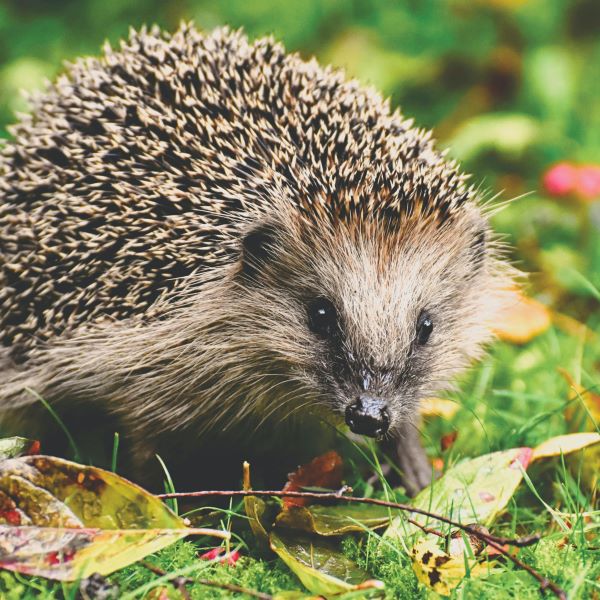
Create a Hedgehog Highway
Derek first noticed his night-time visitors by sound alone. A gentle snuffling in the dark that soon became something he listened out for.
He learned that hedgehogs travel between gardens each night in search of food, shelter and a mate. Fences can stop them in their tracks, so Derek made a small gap at the base, linking his garden with others nearby. A simple opening, but part of something much bigger.
He also keeps a shallow dish of water out during dry spells and leaves a quiet corner scruffy and undisturbed.
Hedgehogs rely on connected spaces to survive. By working with neighbours and creating small gaps, gardens become part of a shared route through the town.
Find practical advice on creating a hedgehog highway here.
Leave the Logs and Leaves
In one corner of Jon and Sophie’s garden, things are a little less managed. Logs are stacked and left to soften, leaves gather under hedges, and nettles and brambles are allowed to grow where they are not in the way.
It may not look like much at first glance, but these spaces are full of life. Beetles and butterflies shelter here, slow-worms slip through the undergrowth, and hedgehogs may tuck themselves in through the colder months.
Fallen leaves slowly break down, returning nutrients to the soil while providing cover for overwintering insects. Nettles feed caterpillars, bramble flowers support pollinators, and later bring berries for birds.
It is a simple shift. By leaving parts of the garden undisturbed, Jon and Sophie have let a small corner become a place where wildlife can rest, feed and thrive.


Put Away the Spray
When David decided to stop using pesticides, it felt like a leap of faith. But over time, something shifted. Ladybirds returned. Hoverflies hovered. Birds began to visit more often. Instead of trying to control everything, his garden found its own balance.
A few nibbled leaves are now part of the picture and are a sign that life is thriving. Gardening without chemicals protects the insects that pollinate our plants and feed so much of the wider food chain. It’s a gentler way of gardening, one that works with nature rather than against it, and the results are richer for it.
Find out more about chemical-free alternatives here.
Plant Native Species
Planting native species is one of the simplest ways to bring life back to your garden. Our native plants have grown alongside our wildlife for thousands of years, forming vital relationships. Caterpillars and insects depend on them for food and shelter that they cannot get from other plants. Birds, mammals and reptiles depend on these invertebrates, and pollinators rely on native nectar at just the right time of year.
Hazel began to let the 'weeds' in her garden become the wildflowers they were destined to be. Removing the more dominant species, her garden soon became a vibrant mix of foxgloves, yarrow and cranesbill blooming amongst the hebes and geums.
Even a small patch can make a difference. Native flowers, grasses, or a simple hedge can provide food, shelter, and safe spaces for wildlife to breed.
Whether it’s a window box, a garden border, or a larger patch of land, every space has the potential to support wildlife. By choosing native species, we move from simply decorating our surroundings to actively participating in the renewal of the natural world.
Find out more about native plants for your garden here.
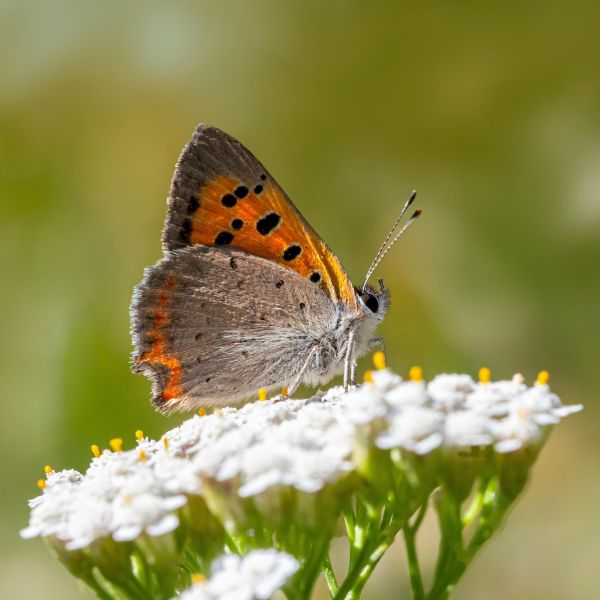
Tell Your Neighbours
It often starts with a conversation. A sign in a front garden. A shared idea over a fence. When one garden becomes wildlife-friendly it’s a powerful thing, but when a whole street joins in, it becomes something else entirely.
Alex added a BeWild sign to his garden, and soon neighbours were asking questions, sharing ideas, even linking their gardens with hedgehog gaps. Now they have plans to put up swift boxes to support these remarkable summer visitors.
Together, they're creating a joined-up habitat where wildlife can move freely. Perhaps your street could do the same.
Acting together doesn’t just help nature; it brings people closer too, strengthening the sense that we’re all part of something bigger, right here where we live.
More ways to get involved...
Join the BeWild community and be part of the simple, meaningful actions that help nature flourish across Dartmouth. Whether you have a garden, a balcony, a window box, or simply a few minutes to spare, there is a place for you in the movement.
Across town and beyond, people are taking part in Let the Grass Grow by leaving grassy areas to grow long. It is a small change with a big impact, creating valuable habitat for invertebrates and all the birds, mammals, and other wildlife that depend on them.

Take your #BeWildBrew outside. Pausing with a cuppa is a simple way to slow down, notice the natural world around you, and reconnect with the place where you live and work. If you feel inspired, why not take a photo and share it on our socials.
We are looking for people to share their journey at Open Wilder Gardens. Whether you have a balcony, a garden, a pond, or a patch planted with wildflowers, we would love to hear your story. From the first newt to an unexpected garden visitor, every experience helps inspire others.
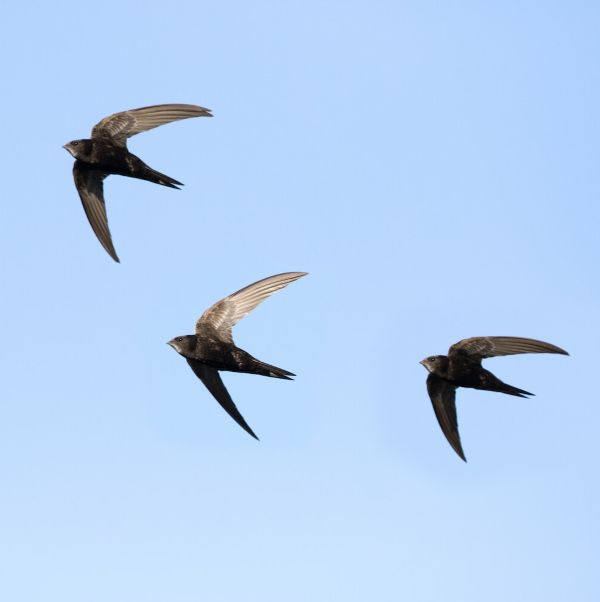
Swift boxes have recently been installed in our church towers. We want to extend this project to homes across the town and give the swifts more safe places to breed and thrive. If you would like to get involved, we would love to hear from you.

Share what you are doing for wildlife and Add Your Patch to the Map. Help us build a picture of how nature is being supported across the town and to connect our green spaces to create pathways for wildlife to move more freely through Dartmouth and beyond.
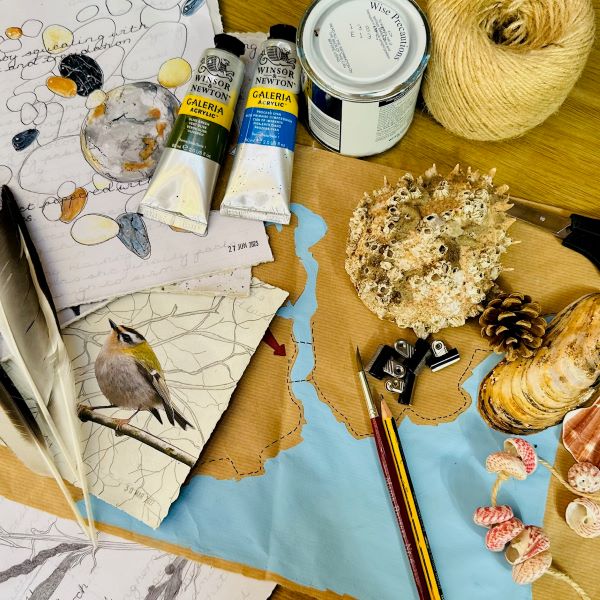
The My Wilder Life exhibition will celebrate our community's growing relationship with the natural world we live alongside. Take photographs, make notes or sketches about your observations as you create a deeper connection to the wildlife in your green space. Your stories will inspire others.
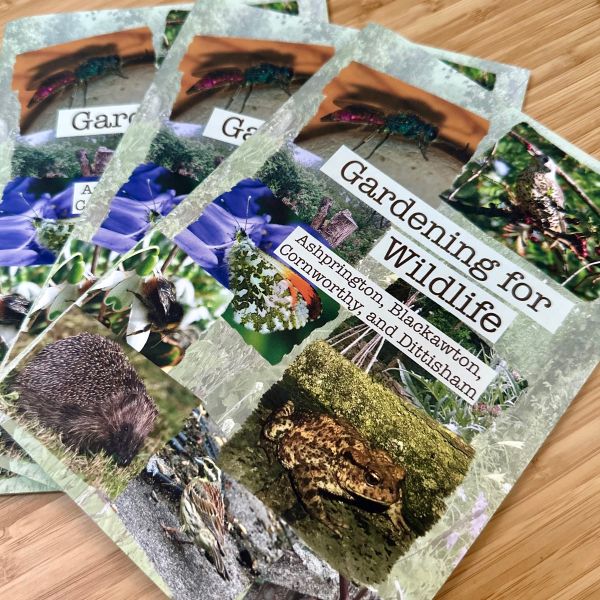
The Gardening for Wildlife Booklet was created by local people, for local people and we will be distributing copies to Dartmouth residents. If you would like a copy, or could help us deliver them in your street, we would love to hear from you.
Follow us on social media or get in touch to find out when the next BeWild Dartmouth Gathering is happening. We’d also love to hear what you’re doing for wildlife, offer advice, or help you get hold of a booklet, Garden Heart, or WildWindow sticker.

Discover what’s happening with BeWild Dartmouth,
where to find us and how you can get involved
here.
Another way to BeWild...
Gardens play a vital role in supporting wildlife, but if you’re not ready to let yours grow wild, or don’t have an outdoor space, you can still make a real difference. Supporting an environmental organisation enables them to restore habitats, protect species, and create change on a much larger scale. Your donation becomes part of something wider, working across landscapes to bring nature back.